

Soundproofing a Home Studio: What Actually Works
Setting up a home studio sounds exciting until the noise starts bouncing around the house. While listening to these 2014 top r&b songs, many people imagine recording music or podcasts in their spare room. Then reality hits. The room echoes like a hallway, and every note leaks through the walls. Soundproofing can feel confusing at first. Some online tips promise miracles but barely change anything. The good news is this. A few practical home improvements can dramatically reduce sound problems. You do not need a professional recording facility. A thoughtful setup inside your home can go a long way.
Start With the Biggest Problem: Hard Surfaces
Bare rooms act like echo chambers. Sound waves bounce between walls, ceilings, and floors like a ping pong ball. The first fix is simple. Add soft materials to absorb some of that energy. Area rugs help more than most people expect. A thick rug under your recording area can calm reflections coming from the floor. Heavy curtains also make a noticeable difference. They soften the walls and reduce the sharp echo you hear during playback. Even a couch or bookshelf filled with items helps scatter sound. The goal is to break up those smooth, reflective surfaces.
Seal the Gaps Where Sound Escapes
Sound loves tiny openings. Gaps around doors, windows, and vents become escape routes. Weatherstripping is one of the easiest solutions. It seals the small spaces around a door frame and reduces sound leaks. Door sweeps also help block noise that slips under the door. Installing one takes only a few minutes. Some homeowners add draft blockers along the bottom of the door. It may look simple, but it works surprisingly well. Think of it like plugging holes in a bucket. Once the openings close, far less sound slips out.
Add Wall Treatments That Actually Absorb Noise

Foam panels often appear in studio photos. They help control the echo inside the room. However, foam alone will not stop sound from leaving the space. It mainly improves audio quality within the room. Acoustic panels made from dense material absorb more sound. Placing them in key wall areas can reduce reflections quickly. Corner bass traps are another helpful addition. They control low frequencies that tend to collect in corners. Even thick moving blankets hung on walls can work in a pinch. Many home creators start with this budget-friendly approach.
Upgrade Doors and Windows If Noise Is Still Loud
Sometimes basic fixes are not enough. Thin doors and hollow panels allow sound to travel easily. A solid core door blocks far more noise than a hollow one. Swapping the door can make a surprising difference. Window inserts or heavy sound curtains also reduce outside sound. They help keep both incoming and outgoing noise under control. Some homeowners add a second layer of drywall for extra sound isolation. This step requires more effort but delivers strong results. Before making big changes, test smaller improvements first. Many rooms improve dramatically with simple upgrades.
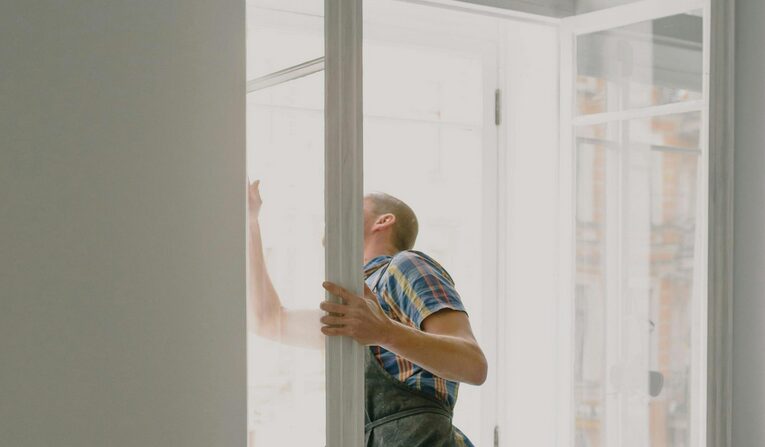

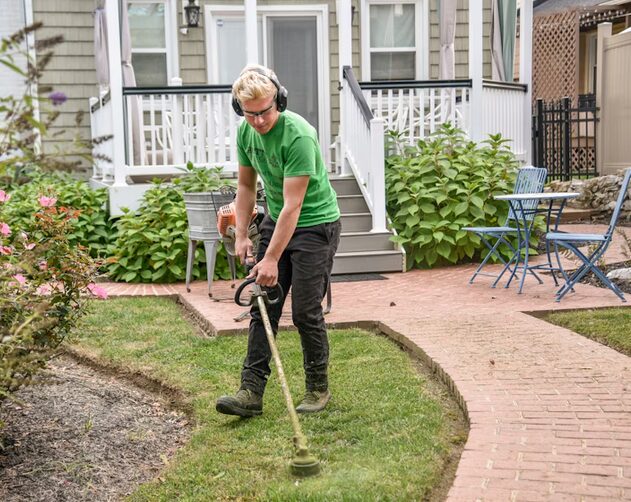

 Garage doors are often overlooked when discussing home security. They’re convenient but can also be an easy target for intruders if not properly secured. Many homeowners may forget to lock their garage doors, especially automatic ones. It’s crucial to develop a routine of ensuring they are shut and secure at all times. If your garage door is malfunctioning, you might need the help of Buda locksmith services. Additionally, consider the remote control aspect. If your vehicle is parked in the driveway with a garage door opener inside, that could pose a risk.
 Air conditioning units are often overlooked when it comes to home security. Many people don’t realize these appliances can serve as easy entry points for intruders. If your air conditioner is window-mounted, check its installation. A poorly secured unit can be pushed in from the outside. Even central AC systems pose risks if not properly locked or monitored. Consider adding a sturdy grille or protective cage around exterior units. This simple addition makes it harder for anyone to manipulate them from the outside.
 Shingle recycling plays a vital role in reducing waste generation from roofing projects. Each year, millions of tons of shingles end up in landfills, taking up valuable space and contributing to environmental degradation. By recycling shingles, these materials can be diverted from landfills and repurposed for future use. This not only reduces the strain on landfill capacity but also minimizes the need for extraction and production of new materials, leading to overall waste reduction and a more sustainable approach to roofing.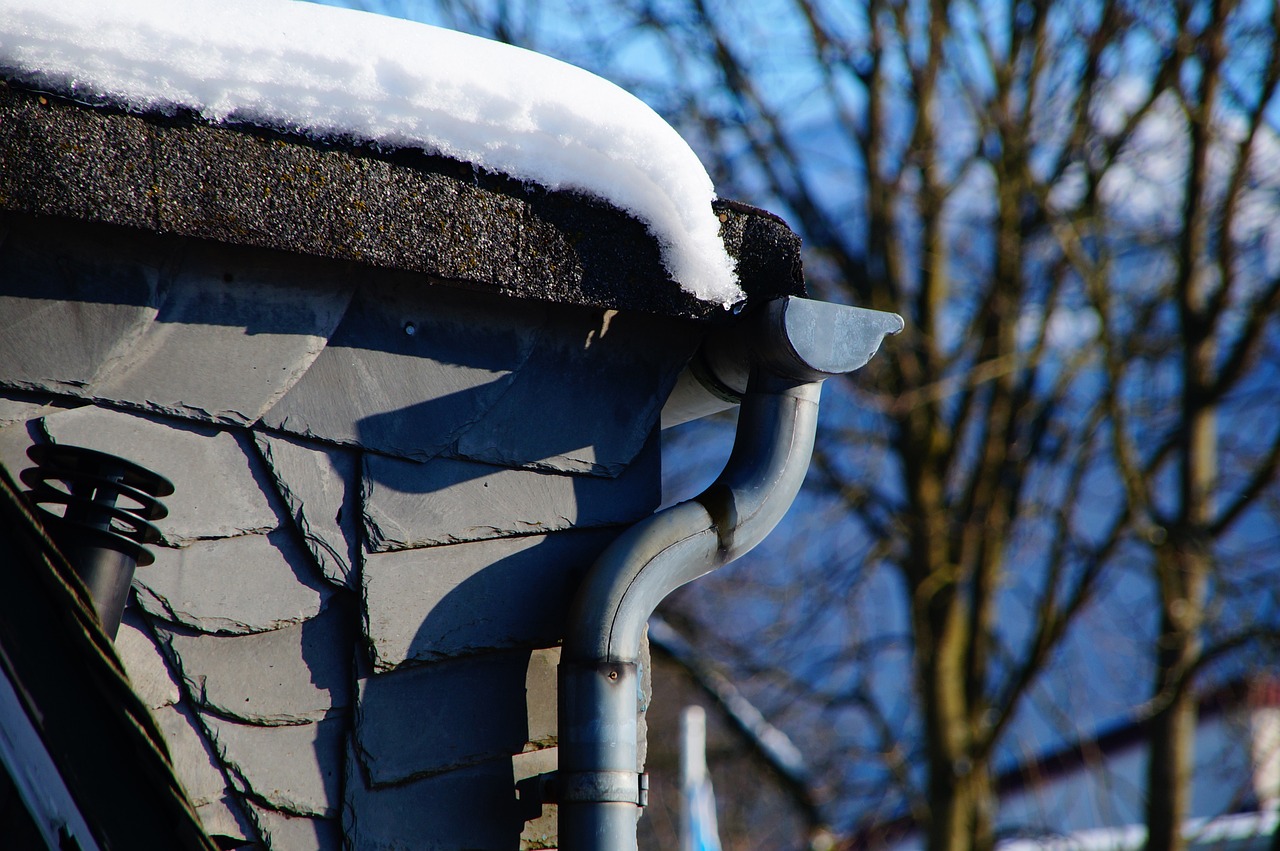
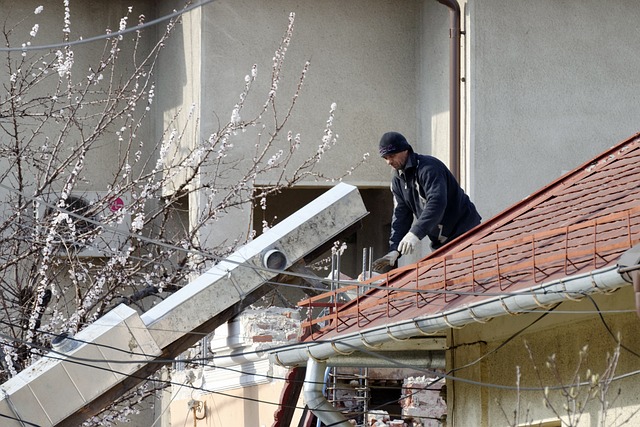
 Gutters may not be the most attention-grabbing feature of our homes, but they play a critical role in preserving their structural integrity. Understanding the nuances of gutter sizes, styles, and materials empowers homeowners …




 Uncertainty is a common concern when selling a house through traditional channels. Disappointing offers, last-minute rejections, and failed negotiations can make the selling experience frustrating and unpredictable. In contrast, professional house-buying companies offer certainty to homeowners by providing fair and transparent cash offers. With a professional house-buying company, sellers can expect a straightforward process with no hidden fees or surprises. Once an offer is accepted, homeowners can proceed with confidence, knowing that the sale will be completed without complications. Overall, these factors make selling to a professional house-buying company an attractive option for homeowners looking for a stress-free and efficient way to sell their property.…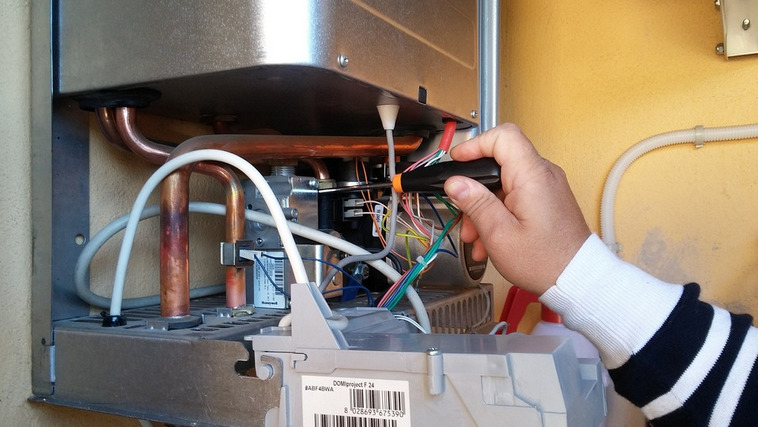

 Poor performance is one of the most frustrating signs that your water heater is about to give up on you. These include taking longer to get the water warmer, low water pressure, and inconsistent temperatures. It can be a major inconvenience, especially if you rely heavily on hot water for your daily activities, such as bathing and washing dishes.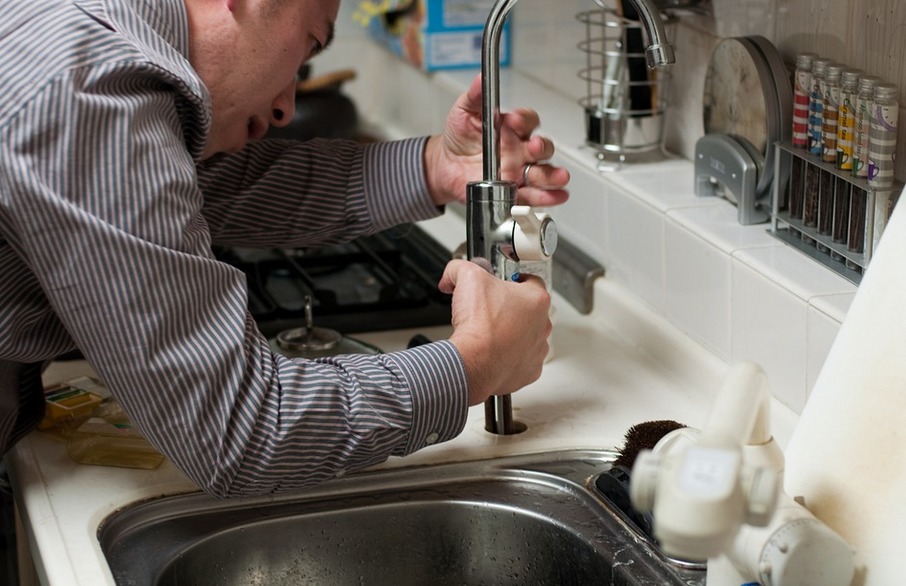
 If you’ve recently purchased a home or had an inspection, you may have been told that
 If you or someone in your family has allergies, keeping your household items clean is especially important. Dust, pollen, pet dander, and other allergens can quickly build up on surfaces like floors, furniture, and bedding. When these allergens are not removed, they can trigger allergy symptoms like sneezing, coughing, and watery eyes.
 You’ll want to create a little nighttime feeding station if you’re breastfeeding. It can be as simple as setting up a small table and chair beside your bed. Then, stock it with everything you need for nighttime feedings. It might include a water bottle, snacks, burp cloths, diapers, wipes, and anything else you might need. This way, you can have everything you need right at your fingertips, and you won’t have to get up in the middle of the night.
 One of the most important things you can do to maintain your mattress hygiene is vacuum it regularly. This will help remove any dust, dirt, or other debris that may accumulate on the surface of your mattress. Vacuuming also helps prevent the build-up of dust mites, which can cause allergies and other respiratory problems. In addition to vacuuming, you should also flip and rotate your mattress every few months to help it wear evenly.
 If you want to ensure that your mattress is always
 Once you have finished researching, you should move out there and start asking for recommendations. Your co-workers and family relatives can help you to get a reputable and professional landscaping company. When they recommend someone for you probably, they enjoyed their services, or they have heard positive feedback about the given landscaper or company.