
Setting up a home studio sounds exciting until the noise starts bouncing around the house. While listening to these 2014 top r&b songs, many people imagine recording music or podcasts in their spare room. Then reality hits. The room echoes like a hallway, and every note leaks through the walls. Soundproofing can feel confusing at first. Some online tips promise miracles but barely change anything. The good news is this. A few practical home improvements can dramatically reduce sound problems. You do not need a professional recording facility. A thoughtful setup inside your home can go a long way.
Start With the Biggest Problem: Hard Surfaces
Bare rooms act like echo chambers. Sound waves bounce between walls, ceilings, and floors like a ping pong ball. The first fix is simple. Add soft materials to absorb some of that energy. Area rugs help more than most people expect. A thick rug under your recording area can calm reflections coming from the floor. Heavy curtains also make a noticeable difference. They soften the walls and reduce the sharp echo you hear during playback. Even a couch or bookshelf filled with items helps scatter sound. The goal is to break up those smooth, reflective surfaces.
Seal the Gaps Where Sound Escapes
Sound loves tiny openings. Gaps around doors, windows, and vents become escape routes. Weatherstripping is one of the easiest solutions. It seals the small spaces around a door frame and reduces sound leaks. Door sweeps also help block noise that slips under the door. Installing one takes only a few minutes. Some homeowners add draft blockers along the bottom of the door. It may look simple, but it works surprisingly well. Think of it like plugging holes in a bucket. Once the openings close, far less sound slips out.
Add Wall Treatments That Actually Absorb Noise

Foam panels often appear in studio photos. They help control the echo inside the room. However, foam alone will not stop sound from leaving the space. It mainly improves audio quality within the room. Acoustic panels made from dense material absorb more sound. Placing them in key wall areas can reduce reflections quickly. Corner bass traps are another helpful addition. They control low frequencies that tend to collect in corners. Even thick moving blankets hung on walls can work in a pinch. Many home creators start with this budget-friendly approach.
Upgrade Doors and Windows If Noise Is Still Loud
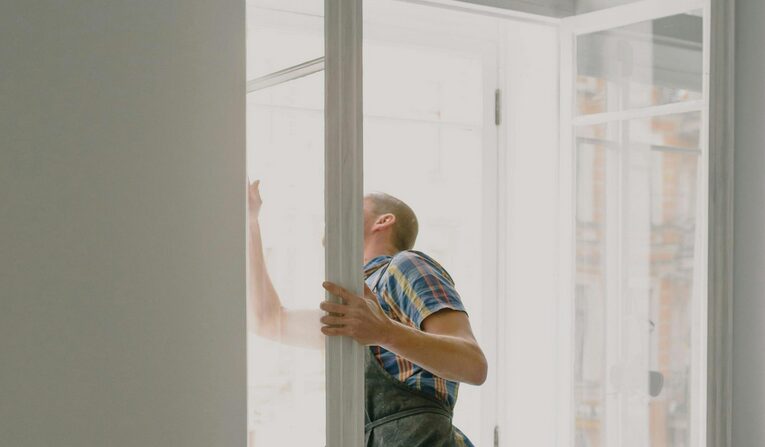
Sometimes basic fixes are not enough. Thin doors and hollow panels allow sound to travel easily. A solid core door blocks far more noise than a hollow one. Swapping the door can make a surprising difference. Window inserts or heavy sound curtains also reduce outside sound. They help keep both incoming and outgoing noise under control. Some homeowners add a second layer of drywall for extra sound isolation. This step requires more effort but delivers strong results. Before making big changes, test smaller improvements first. Many rooms improve dramatically with simple upgrades.
Create a Space That Feels Comfortable to Work in
Soundproofing should not make the room feel like a padded cell. A pleasant environment helps creativity flow. Add shelves, artwork, or plants to keep the room welcoming. These items also break up sound reflections. Lighting matters too. Soft lighting reduces eye strain during long recording sessions. Many people realize that a good studio feels more like a cozy workspace than a technical lab. With the right balance of comfort and smart sound control, a home studio can function beautifully inside an ordinary house.